Overview and Best Time to Visit
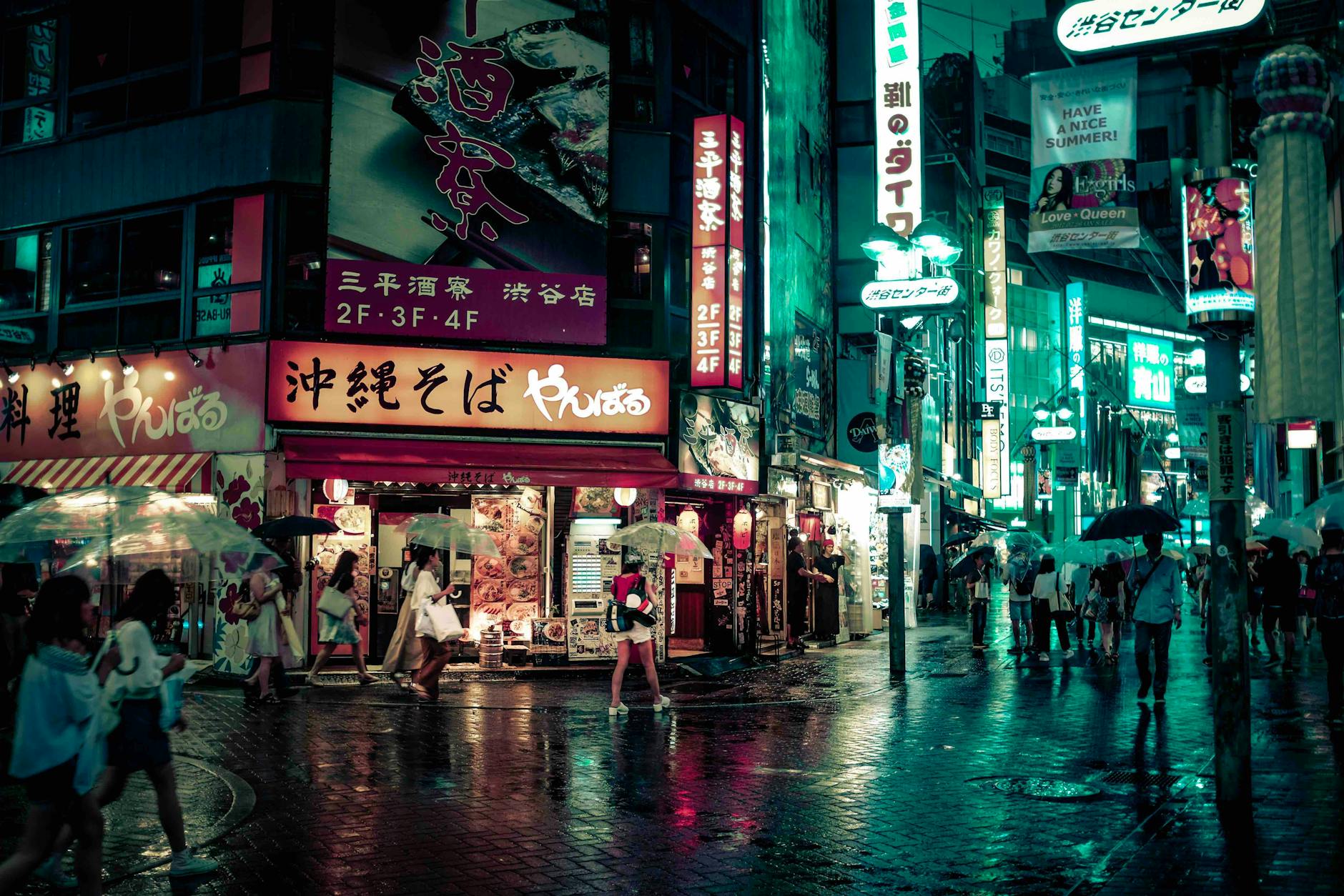
Tokyo, the capital of Japan, is a city that seamlessly blends traditional and modern culture. The best time to visit Tokyo is in the spring (March to May) and autumn (September to November), when the weather is mild and comfortable, with average temperatures ranging from 10°C to 20°C. During these seasons, popular spots like Shinjuku Gyoen National Garden and Ueno Park are particularly beautiful, with cherry blossoms in bloom during the spring and vibrant autumn foliage. The peak tourist season is in June and July, with temperatures often reaching over 30°C and humidity levels above 60%. The off-season, from December to February, is the best time to avoid crowds and enjoy lower prices, with average temperatures ranging from 2°C to 10°C.
Top Attractions
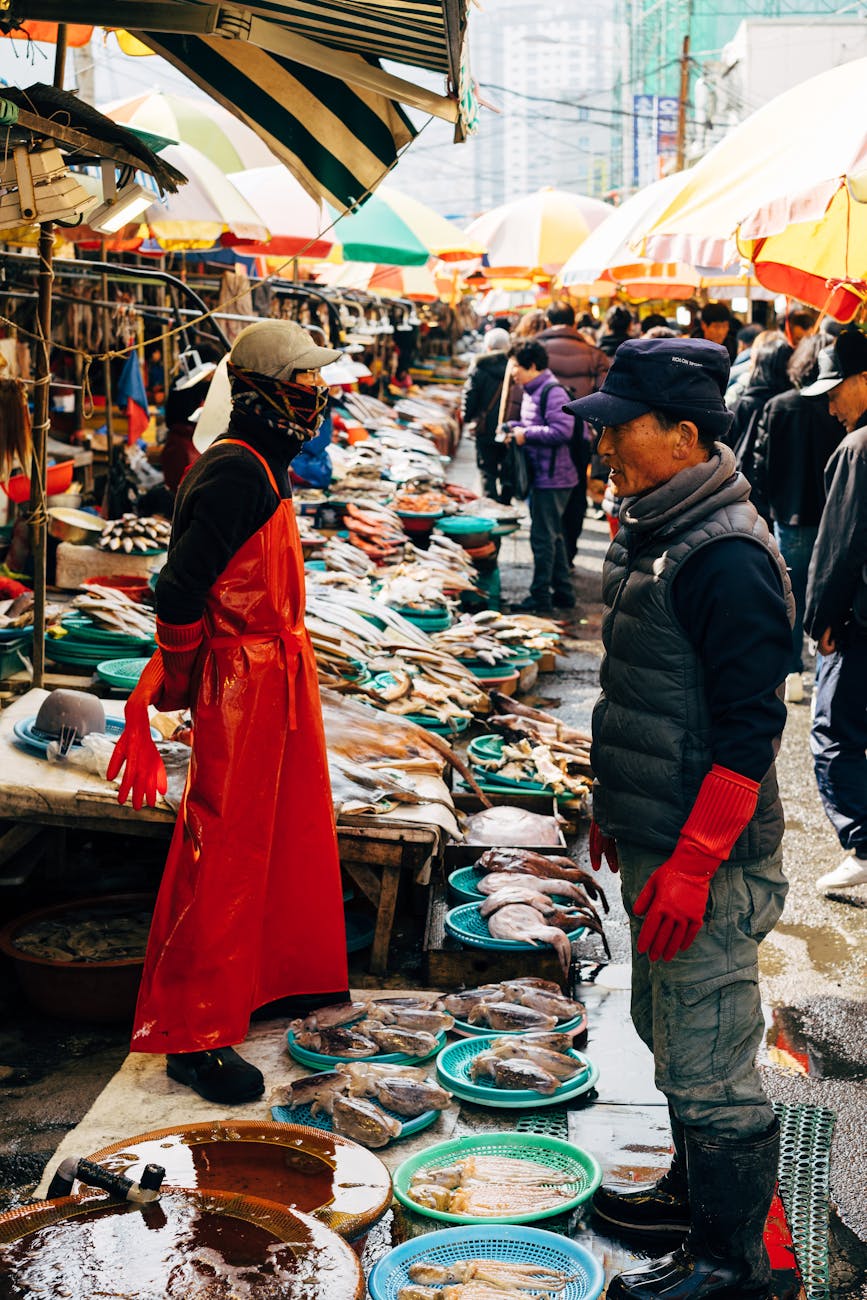
Tokyo offers a wide range of attractions, from ancient temples to cutting-edge technology. The famous Tsukiji Outer Market is a must-visit, with fresh sushi and sashimi available at the sushi restaurants, and a fascinating tuna auction that takes place early in the morning. The Meiji Shrine, dedicated to the deified spirits of Emperor Meiji and his wife, Empress Shoken, is a serene Shinto shrine located in a tranquil forested area, with admission free, although donations are welcome. The Tokyo Skytree, at 634 meters tall, offers breathtaking views of the city from its observation decks, with admission prices starting at ¥2,060 for adults. The Shibuya Crossing, one of the busiest intersections in the world, is a fascinating spot to people-watch and take in the city’s vibrant atmosphere, with the famous statue of Hachiko, the loyal dog, nearby. The Asakusa district, one of the oldest areas in Tokyo, is home to the famous Senso-ji Temple, with its iconic Kaminarimon Gate and Nakamise Shopping Street, filled with traditional snacks and souvenirs, and admission is free, although donations are welcome.
Where to Stay
Tokyo has a wide range of accommodation options to suit all budgets. For budget travelers, the Nui.Tokyo Central Hostel, located in the heart of the city, offers dorm rooms starting at ¥2,500 per night and private rooms starting at ¥6,000 per night. The Remm Akihabara Hotel, located in the electronic and anime hub of Akihabara, offers rooms starting at ¥15,000 per night. The Park Hyatt Tokyo, located on the top 14 floors of the Shinjuku Park Tower, offers luxurious rooms starting at ¥60,000 per night, with stunning views of the city. The Grand Hyatt Tokyo, located in the heart of Roppongi, offers rooms starting at ¥50,000 per night, with a range of amenities including a fitness center and spa.
Food and Dining
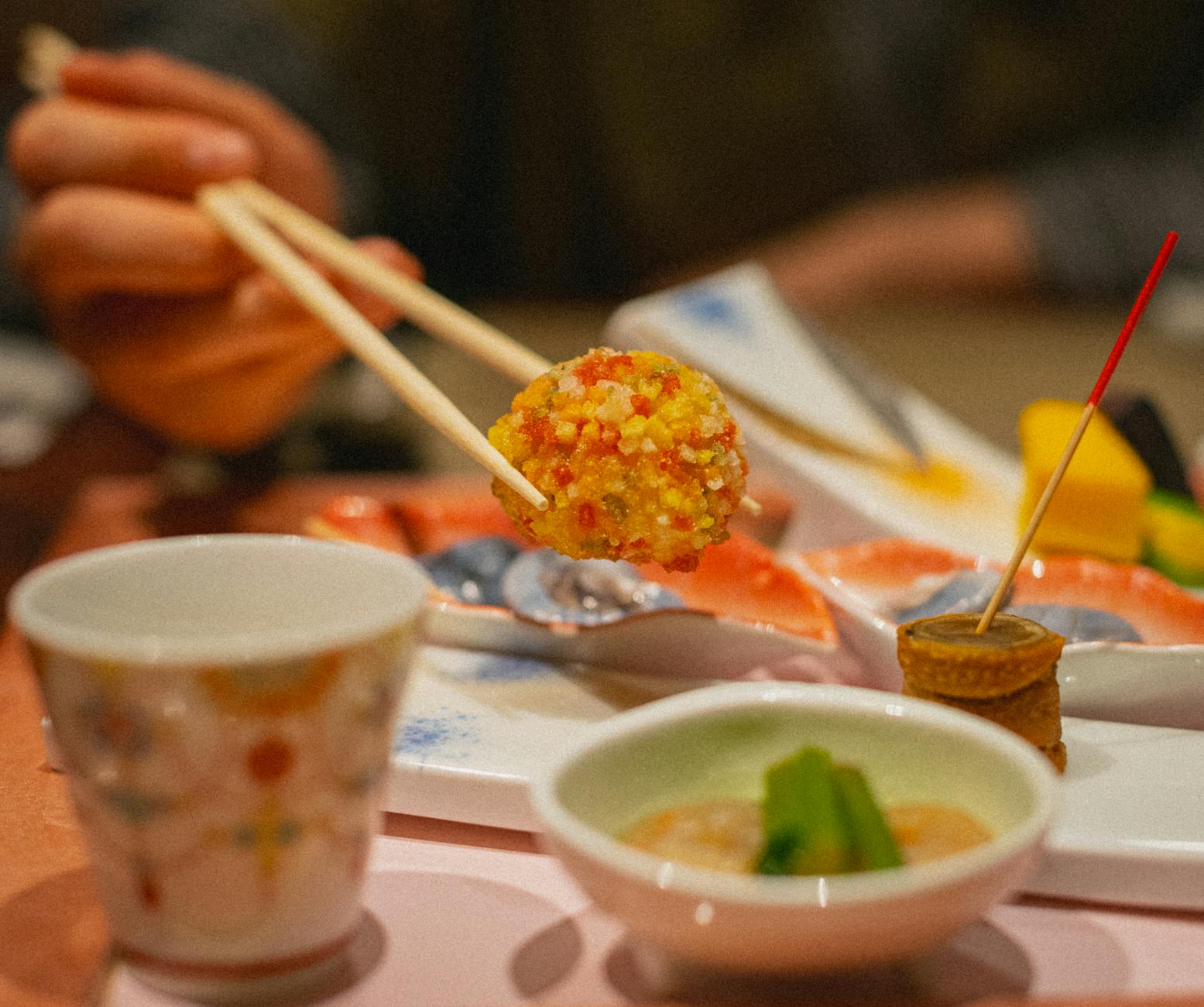
Tokyo is a food lover’s paradise, with a wide range of delicious cuisine to try. The Sushi Saito, a three-Michelin-starred restaurant, offers an unforgettable sushi experience, with prices starting at ¥20,000 per person. The Narisawa, a two-Michelin-starred restaurant, offers modern Japanese cuisine, with prices starting at ¥15,000 per person. The Tofuya Ukai, a traditional Japanese tofu restaurant, offers a range of tofu dishes, with prices starting at ¥2,000 per person. The Ichiran Shibuya, a famous ramen restaurant, offers a unique and delicious ramen experience, with prices starting at ¥890 per bowl. The Tsukiji Fish Market, one of the largest fish markets in the world, offers a wide range of fresh seafood, with prices varying depending on the type and quality of the seafood.
Getting Around
Tokyo has a comprehensive and efficient public transportation system, with a wide range of options to get around the city. The Tokyo Metro, with 9 different lines, offers a convenient and affordable way to travel, with a single ride costing ¥200 and a prepaid IC card, such as a Suica or Pasmo card, available for ¥2,000, including a ¥500 deposit. The JR East train line, which connects Tokyo to the surrounding suburbs and cities, offers a range of options, including the Shinkansen bullet train, with prices starting at ¥14,000 for a one-way ticket. The bus system, with over 1,000 routes, offers a convenient way to travel, with a single ride costing ¥200 and a prepaid IC card available for ¥2,000, including a ¥500 deposit. Taxis are also available, with prices starting at ¥650 for the first 2 kilometers.
Practical Tips

Tokyo is a relatively safe city, with low crime rates, but it’s still important to take some basic precautions to ensure a safe and enjoyable trip. The average daily budget for a traveler in Tokyo can range from ¥5,000 to ¥20,000 per day, depending on accommodation, food, and activities. The Japanese yen is the local currency, and credit cards and cash are widely accepted. English is not widely spoken in Tokyo, but many restaurants and shops have English menus and signs, and some locals may speak some English, particularly younger people. It’s a good idea to learn some basic Japanese phrases, such as ‘konnichiwa’ (hello), ‘arigatou’ (thank you), and ‘sumimasen’ (excuse me).
Visa requirements for Tokyo vary depending on the country of origin, but citizens of many countries, including the US, UK, and Australia, do not require a visa for stays of up to 90 days. It’s always a good idea to check with the Japanese embassy or consulate in your home country for the most up-to-date information on visa requirements. Additionally, it’s a good idea to purchase travel insurance, which can provide coverage for unexpected medical or travel-related expenses.
 Passport to Possibility
Leave a comment